How Do You Master YouTube Storytelling? The Complete Framework
Master YouTube storytelling by structuring videos around the hook-problem-solution-payoff framework that keeps viewers watching until the end. The first 30 seconds determine whether 70% of viewers stay or leave. Successful YouTube stories create curiosity gaps, build emotional investment, and deliver on promises made in the opening. Retention-focused storytelling beats production quality for channel growth.
You can have the best camera, perfect lighting, and flawless audio—and still lose viewers in the first minute. YouTube success isn’t about production value; it’s about holding attention through story structure. The creators growing fastest in 2026 understand that every video is a story, and every story follows patterns that either hook viewers or lose them. Here’s how YouTube storytelling actually works.
Key Takeaways
- First 30 seconds are critical: 70% of viewer drop-off happens in the first 30 seconds—your hook determines success
- Hook-problem-solution-payoff: This four-part structure keeps viewers watching through the entire video
- Curiosity gaps work: Open loops and unanswered questions increase average view duration by 40-60%
- Emotional beats matter: Videos with clear emotional progression retain 2x more viewers than purely informational content
- Pattern interrupts prevent drop-off: Change visuals, pace, or energy every 30-60 seconds to maintain attention
What Makes YouTube Storytelling Different from Other Platforms?
YouTube storytelling differs because the algorithm rewards watch time and retention over clicks alone. Unlike Instagram or TikTok, YouTube’s recommendation engine favours videos that hold attention—making story structure the primary ranking factor.
The platform’s unique economics create this dynamic. YouTube shares ad revenue with creators, and ads only generate revenue when viewers watch. A video with 100,000 views and 30% retention earns less than one with 50,000 views and 70% retention because more total watch minutes mean more ad opportunities.
This shapes storytelling requirements. You need hooks that grab attention immediately, structures that maintain curiosity throughout, and payoffs that satisfy while encouraging viewers to watch more. The story isn’t just content—it’s the mechanism that determines whether the algorithm promotes your video.
- Algorithm priority: Watch time and retention over raw view counts
- Revenue model: Longer engagement means more ad revenue
- Structural requirement: Every minute must earn the next minute
- Payoff importance: Satisfying endings encourage more video consumption
How Do You Hook Viewers in the First 30 Seconds?
Hook viewers by immediately presenting a compelling question, surprising statement, or promise of value that creates an open loop demanding resolution. The hook should make viewers feel they’ll miss something important if they click away.
Effective hooks follow patterns: the counterintuitive claim (“Everything you’ve heard about X is wrong”), the specific promise (“By the end of this video, you’ll know exactly how to…”), or the story tease (“Last week, something happened that changed my entire approach”). Each creates curiosity that can only be satisfied by watching.
Avoid throat-clearing openings. “Hey guys, welcome back to my channel” wastes precious seconds. Jump straight into the hook. Your channel branding can appear after you’ve earned attention. The most successful creators front-load value and save introductions for after viewers are invested.
- Counterintuitive claim: Challenge assumptions to create curiosity
- Specific promise: Tell viewers exactly what they’ll gain
- Story tease: Start mid-action and promise the full story
- No throat-clearing: Skip intros until after the hook lands
What Is the Hook-Problem-Solution-Payoff Framework?
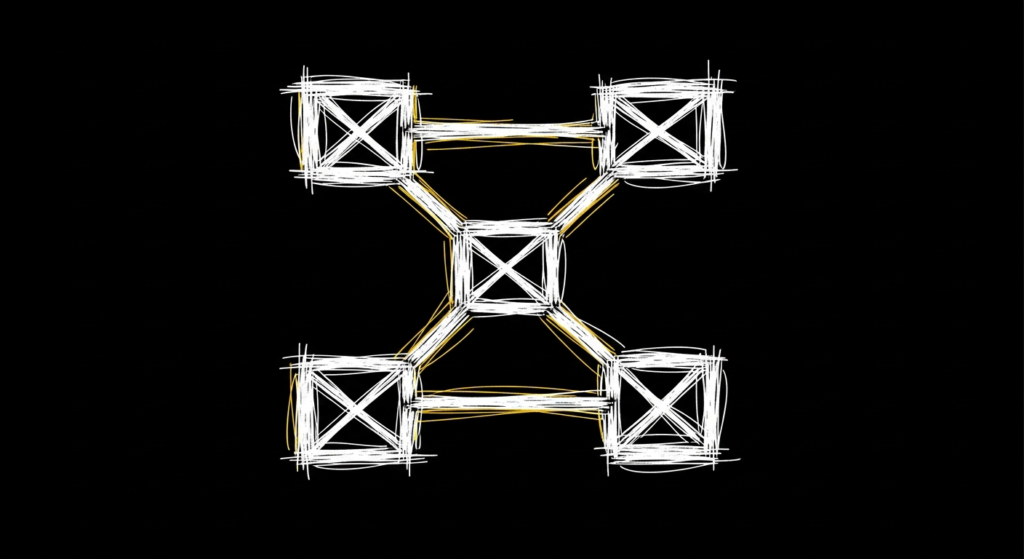
The hook-problem-solution-payoff framework is a four-part story structure that guides viewers from initial curiosity through engagement to satisfaction. Each section serves a specific retention purpose, keeping viewers watching through the entire video.
The hook (0-30 seconds) grabs attention and creates curiosity. The problem section (30 seconds-25% of video) deepens investment by exploring why this matters—what pain exists, what’s at stake, why the viewer should care. The solution section (25-85% of video) delivers the promised value, whether that’s information, entertainment, or transformation. The payoff (final 15%) satisfies the open loops, delivers emotional resolution, and sets up the next video.
This structure works because it mirrors how human brains process narratives. We’re wired to seek resolution to open questions. By creating tension (problem) before releasing it (solution/payoff), you work with psychological patterns rather than against them.
| Section | Video Portion | Purpose |
|---|---|---|
| Hook | 0-30 seconds | Create curiosity, prevent click-away |
| Problem | 30s to 25% | Build emotional investment and stakes |
| Solution | 25-85% | Deliver promised value |
| Payoff | Final 15% | Resolve loops, encourage next video |
How Do Curiosity Gaps Increase Watch Time?
Curiosity gaps increase watch time by creating psychological tension that viewers feel compelled to resolve. An open question or incomplete information activates a mental itch that can only be scratched by continuing to watch.
Implement curiosity gaps through strategic information withholding. “There’s one technique that doubled my results—but first, you need to understand why the obvious approach fails.” You’ve promised valuable information while delaying its delivery. Viewers stay to close the gap.
Layer multiple curiosity gaps throughout the video. As you close one loop, open another. “Now that you understand the framework, let me show you the three mistakes that make it fail—the third one surprised me.” This creates ongoing reasons to continue watching rather than clicking away after one question is answered.
- Mechanism: Incomplete information creates psychological tension
- Implementation: Promise value, then delay delivery strategically
- Layering: Close one loop while opening another
- Impact: Properly implemented gaps increase retention 40-60%
Why Do Emotional Beats Matter More Than Information?
Emotional beats matter more than information because viewers remember feelings, not facts. A video that makes someone feel curious, surprised, validated, or inspired creates stronger engagement than one that merely informs.
Map emotional progression through your video. Start with curiosity (hook), move to frustration or recognition (problem), build to hope or excitement (solution introduction), and end with satisfaction or motivation (payoff). This emotional arc mirrors effective storytelling across all media.
Information-only videos feel like lectures. Viewers may click for information but leave when attention drifts. Emotionally engaging videos feel like experiences. The information is the same, but the wrapper determines whether viewers watch for 2 minutes or 12 minutes.
- Memory: Emotions encode stronger than facts
- Progression: Curiosity → frustration → hope → satisfaction
- Engagement: Emotional content retains 2x more viewers
- Differentiation: Experience vs. lecture determines retention
How Do You Use Pattern Interrupts to Maintain Attention?
Use pattern interrupts to maintain attention by changing visual, audio, or pacing elements every 30-60 seconds. The human brain naturally tunes out repetitive stimuli; strategic interrupts reset attention and prevent viewer drift.
Pattern interrupts include B-roll footage cuts, camera angle changes, on-screen graphics, sound effects, pacing shifts (speeding up or slowing down), and direct address changes (looking at camera vs. looking away). Each interrupt signals “something new” to the brain, triggering renewed focus.
Study your retention graphs in YouTube Studio. Drop-off points often correlate with long stretches without pattern interrupts. Where you see steep declines, add more visual variety. Where retention holds steady, analyse what’s working and replicate it.
- Frequency: Every 30-60 seconds for optimal attention
- Types: B-roll, angle changes, graphics, sound, pacing shifts
- Analysis: Use retention graphs to identify needed interrupt points
- Purpose: Reset attention, signal “something new”
What Story Structures Work Best for Different Video Types?
Different video types require adapted story structures, though all build on the hook-problem-solution-payoff foundation. Tutorials, vlogs, reviews, and educational content each have structural patterns that maximise retention for that format.
Tutorials work best with the “result-method-implementation” structure: show the end result first (hook), explain the method (problem/solution), then walk through implementation (payoff). Viewers stay because they’ve seen proof the method works.
Reviews and comparisons benefit from the “verdict-context-analysis” structure: give your conclusion upfront, provide context for why it matters, then walk through detailed analysis. This respects viewer time while giving reasons to watch the full explanation.
| Video Type | Structure | Key Principle |
|---|---|---|
| Tutorial | Result → Method → Implementation | Show proof first |
| Review/Comparison | Verdict → Context → Analysis | Answer first, explain second |
| Vlog/Story | Tease → Build → Climax → Resolution | Classic narrative arc |
| Educational | Problem → Why It Matters → Solution → Application | Stakes before information |
Frequently Asked Questions
How long should YouTube videos be for optimal storytelling?
Video length should match content depth and audience expectation, not arbitrary targets. An 8-minute video with 70% retention outperforms a 20-minute video with 30% retention. Focus on telling the story completely without padding. Most successful educational content runs 8-15 minutes; entertainment varies more widely.
Can you learn storytelling or is it natural talent?
Storytelling is a learnable skill, not innate talent. The structures and patterns that create engaging videos are documented and replicable. Study successful creators in your niche, analyse their retention patterns, and consciously implement the techniques you identify. Improvement comes from deliberate practice, not inspiration.
Should every video tell a story even if it’s just information?
Yes, even purely informational videos benefit from story structure. The “story” might be the viewer’s transformation from confused to competent, or the journey from problem to solution. Framing information within a narrative structure improves retention regardless of content type.
How do you balance storytelling with SEO and searchability?
SEO gets viewers to click; storytelling gets them to watch. Optimise titles, thumbnails, and descriptions for search discovery, then let story structure handle retention. Neither works alone—searchable content with poor retention won’t be recommended; great stories no one finds won’t grow your channel.
What’s the biggest storytelling mistake new YouTubers make?
Burying the hook. New creators often start with context, background, or introductions before getting to the interesting part. Viewers decide within 30 seconds whether to stay. Lead with your most compelling element, earn attention first, then provide context once viewers are invested.
How do you know if your storytelling is working?
Check your retention curves in YouTube Analytics. Effective storytelling shows relatively flat retention (viewers staying throughout) rather than steep early drop-offs. Average view duration above 50% of video length indicates successful engagement. Steep drops at specific points identify where your story loses viewers.
Do storytelling techniques work differently for Shorts versus long-form?
Yes, Shorts require compressed storytelling. You need a hook in the first 1-2 seconds, immediate value delivery, and completion within 60 seconds. The principles are the same (hook, tension, payoff) but execution is radically condensed. Think of Shorts as single-scene stories rather than full narratives.
How do you develop your storytelling voice over time?
Develop voice through consistent creation and honest analysis. Record frequently, study your retention data, identify what resonates with your specific audience, and iterate. Your voice emerges from the intersection of your natural communication style and what works for your audience. This takes 50-100 videos to refine.
Start Telling Better Stories Today
YouTube storytelling isn’t mysterious talent—it’s learnable structure. The hook-problem-solution-payoff framework, curiosity gaps, emotional beats, and pattern interrupts are tools anyone can implement. The creators growing fastest aren’t necessarily the most talented; they’re the most deliberate about story structure.
Start with your next video. Write a hook that creates genuine curiosity. Map the emotional progression you want viewers to experience. Plan pattern interrupts every 30-60 seconds. Then watch your retention curves and iterate based on what the data shows.
The algorithm rewards videos that hold attention. Story structure is how you earn that attention. Master these patterns and you’re working with the platform rather than against it.
Want help developing your YouTube content strategy? Get in touch to discuss how we help creators build engaging channels through strategic storytelling.
Sources
- YouTube Creator Academy – Audience Retention
- YouTube Creator Blog
- VidIQ – YouTube Growth Research
- TubeBuddy – Creator Strategy Insights
Written by: John Isaacson, Digital Marketing Strategist specialising in YouTube channel growth and content strategy
Last Updated: January 2026
Want results like this for your channel?
Book a free 30-minute strategy call and let's figure out the right move for your content.
Book a strategy call →