What Is the Best Small Camera Bag for Professional Shoots?
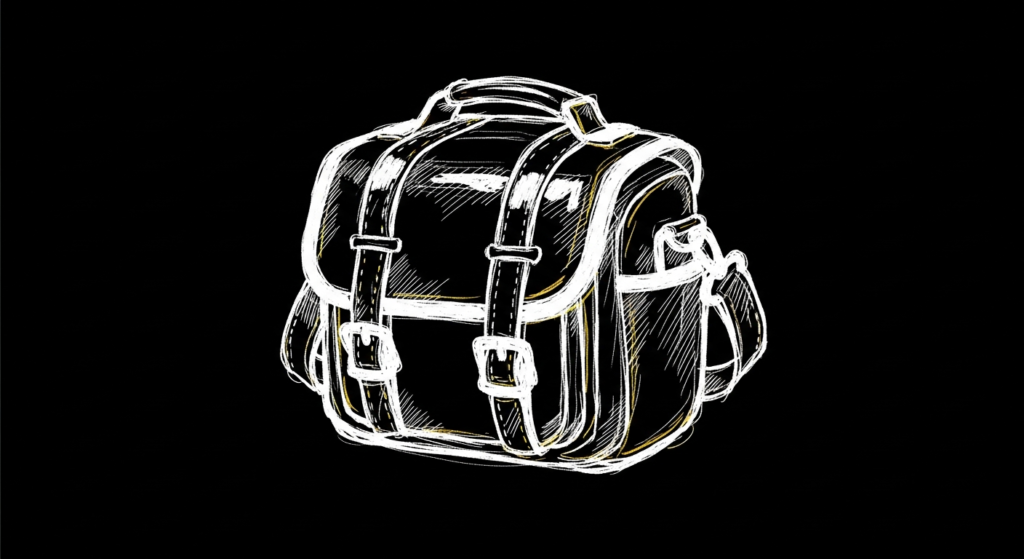
The best small camera bag for professional shoots depends on your kit size and shooting style, but the Peak Design Everyday Sling 6L consistently ranks highest for mirrorless shooters needing quick access. For run-and-gun video work, the Tenba DNA 13 offers better organisation. Budget pick: the Lowepro Adventura SH 140 III at under £50 delivers solid protection without the premium price.
Camera bags marketed as “professional” are often oversized monsters designed for photographers carrying five lenses and two bodies. Most working creators need something different: a compact bag that protects one camera, 1-2 lenses, and essential accessories without screaming “expensive gear inside.” After testing dozens of options across real shoots, here’s what actually works for small kit creators in 2026.
Key Takeaways
- Size matters most: Bags holding one body + 2 lenses hit the sweet spot for most professional work
- Access speed varies: Sling bags offer fastest access; messenger bags offer best organisation
- Padding vs. bulk: Premium bags achieve protection with thinner, better materials—don’t equate thickness with safety
- Discreet appearance: Bags that don’t look like camera bags reduce theft attention in public
- Price sweet spot: £80-150 delivers professional quality; above that, you’re paying for brand premium
What Size Camera Bag Do Professional Creators Actually Need?
Most professional creators need a bag holding one camera body, 1-2 lenses, batteries, and memory cards—typically 5-8 litres of capacity. Larger bags encourage carrying unnecessary kit that slows you down.
The “small shoot” scenario is common: interviews, B-roll sessions, product shoots, or location scouting. You need a mirrorless body, one versatile zoom or two primes, audio recorder, and accessories. This kit fits comfortably in a compact sling or small messenger bag—anything larger adds bulk without benefit.
Resist the temptation to buy bags for hypothetical larger kits. If you occasionally need more capacity, rent a larger bag or use a second pouch. Optimising for your typical load rather than rare maximum capacity improves daily usability dramatically.
- Typical capacity needed: 5-8 litres for small shoots
- Contents: 1 body, 1-2 lenses, batteries, cards, small accessories
- Common mistake: Buying for maximum rather than typical load
- Better approach: Right-size for daily use; rent for exceptions
What Are the Best Small Camera Bags for Mirrorless Shooters?
The Peak Design Everyday Sling 6L leads for mirrorless shooters, offering exceptional organisation, quick access, and premium build quality at £120. The Tenba DNA 13 Slim Messenger excels for video creators needing more structure at £140.
The Peak Design Sling’s FlexFold dividers adapt to any kit configuration. Swing it around for instant access without removing from shoulder. Weather-resistant materials handle light rain. The aesthetic is professional without being obviously a camera bag—important for urban shooting.
For budget-conscious shooters, the Lowepro Adventura SH 140 III delivers reliable protection at under £50. It lacks the refined organisation of premium options but provides solid padding and weather resistance. A sensible choice when starting out or as a beater bag.
| Bag | Capacity | Price | Best For |
|---|---|---|---|
| Peak Design Everyday Sling 6L | 1 body + 2 lenses | £120 | Quick access, daily carry |
| Tenba DNA 13 Slim Messenger | 1 body + 2-3 lenses | £140 | Video work, organisation |
| Lowepro Adventura SH 140 III | 1 body + 1-2 lenses | £45 | Budget, basic protection |
| Think Tank Mirrorless Mover 20 | 1 body + 2 lenses | £75 | Compact travel |
Should You Choose a Sling Bag or Messenger Bag?
Choose a sling bag if quick access is priority—swinging from back to front takes one second. Choose a messenger bag if you need more organisation, carry accessories beyond camera gear, or prefer laptop integration.
Sling bags work best for run-and-gun shooting: street photography, events, documentary work where you’re constantly pulling camera in and out. The single-strap design limits weight capacity but maximises speed. Most slings become uncomfortable above 3-4kg loaded weight.
Messenger bags distribute weight better for longer carries and offer structured compartments for accessories: audio recorders, hard drives, notebooks. They’re slower to access (must open flap, move dividers) but provide better organisation when you’re carrying more than just camera kit.
- Sling advantages: Fastest access, compact profile, good for moving
- Sling drawbacks: Limited weight capacity, minimal organisation
- Messenger advantages: Better organisation, weight distribution, laptop space
- Messenger drawbacks: Slower access, larger profile
How Important Is Weather Resistance in Camera Bags?
Weather resistance matters more than most photographers realise—light rain is common, and moisture damage is expensive. Look for bags with sealed zippers, water-resistant external fabric, and rain covers included for heavy weather.
Distinguish between weather-resistant and waterproof. Weather-resistant bags handle light rain and splashes; waterproof bags can be submerged. For most work, weather-resistant is sufficient and more practical (waterproof bags sacrifice breathability and access speed).
Budget bags often claim weather resistance but fail at seams and zippers—the most vulnerable points. Premium bags use welded seams and aquaguard zippers that maintain protection longer. The price difference reflects real durability improvement.
- Weather-resistant: Handles rain and splashes (most bags)
- Waterproof: Submersible protection (specialty bags)
- Failure points: Seams and zippers fail first on cheap bags
- Rain covers: Many bags include emergency covers for heavy rain
Does Camera Bag Appearance Affect Theft Risk?
Yes, camera bag appearance significantly affects theft risk. Bags with prominent camera brand logos or obvious photography design attract attention. Discreet, urban-styled bags reduce targeting in public spaces.
Thieves know what camera bags look like. The classic rectangular shape, external tripod straps, and brand logos (especially Canon, Sony, Peak Design) signal valuable contents. In crowded urban environments, this matters—theft opportunity increases with visibility.
Consider bags designed to look like regular backpacks or messenger bags. Peak Design’s aesthetic works well—stylish but not obviously photography-related. Some photographers use regular bags with padded inserts, sacrificing dedicated organisation for complete anonymity.
- High risk indicators: Camera brand logos, external tripod straps, obvious shape
- Lower risk options: Urban-styled bags, regular bags with inserts
- Context matters: Touristy areas and public transport are highest risk
- Practical approach: Discreet appearance without sacrificing function
What Features Actually Matter in Daily Use?
Features that matter most in daily use are access speed, divider customisation, and comfortable carrying—not the long feature lists manufacturers emphasise. Prioritise practical functionality over impressive specifications.
Quick-access pockets for frequently used items (batteries, memory cards) save time constantly. Adjustable dividers that actually stay in place matter more than elaborate systems. Comfortable straps with adequate padding prevent fatigue during long shoots.
Features that sound good but rarely matter: excessive external attachment points (add bulk, catch on things), dedicated tripod mounting (usually awkward), laptop sleeves in small bags (wrong size for most workflows). Match features to your actual use patterns.
- Essential features: Quick access, stable dividers, comfortable carry
- Useful features: Memory card pocket, interior visibility, quality zippers
- Overrated features: External attachment points, tripod mounting, water bottle holders
- Test approach: Pack your actual kit before buying if possible
How Much Should You Spend on a Camera Bag?
Spend £80-150 for professional-quality small camera bags that deliver excellent protection and durability. Below £80, compromises affect longevity and protection. Above £150, you’re paying for brand premium with diminishing returns.
Budget bags (under £50) work for light use but show wear quickly—stitching fails, zippers stick, padding compresses. For occasional hobby shooting, they’re acceptable. For daily professional use, replacement costs accumulate.
Premium bags (above £150) often justify price through warranty and longevity. Peak Design offers lifetime warranty; Tenba provides excellent repair support. Calculate cost-per-year rather than purchase price—a £150 bag lasting 5 years beats three £50 bags.
- Budget tier (under £50): Acceptable for light use, wear quickly
- Professional tier (£80-150): Best value for working creators
- Premium tier (above £150): Longer warranty, diminishing protection benefit
- Calculation: Cost-per-year matters more than purchase price
Frequently Asked Questions
Can I use a regular backpack with a camera insert instead?
Yes, camera inserts (£20-50) convert any bag into a camera bag. This works well if you have a backpack you love or want maximum discretion. Trade-offs: less optimised access, inserts shift during movement, and protection depends on your outer bag quality. Good option for travel; less ideal for daily professional use.
How do I clean a camera bag?
Remove all dividers and accessories. Vacuum interior thoroughly to remove dust and debris. Spot-clean exterior with damp cloth and mild soap. Never machine wash—it destroys waterproofing and damages padding. For deep cleans, use fabric cleaner spray and soft brush. Air dry completely before repacking.
Should I buy bags from camera brands or bag specialists?
Bag specialists (Peak Design, Tenba, Think Tank, Lowepro) generally outperform camera brand bags (Canon, Sony, Nikon). Bag specialists focus entirely on carrying solutions; camera brands outsource bag production as accessories. Exceptions exist, but specialist brands offer better value and innovation.
Do expensive bags actually protect better?
To a point. Premium bags use better foam density and placement, more durable fabrics, and superior construction. The protective difference between £50 and £100 bags is significant. Between £150 and £300, protection differences are minimal—you’re paying for features, aesthetics, and brand prestige.
What’s the best camera bag for travel?
For travel, prioritise bags that fit under airline seats as personal items. The Think Tank Mirrorless Mover series and Peak Design Everyday Sling fit most airline requirements. Consider bags with luggage pass-through straps to attach to rolling suitcases. Compression straps help maximise packing flexibility.
How often should I replace my camera bag?
Replace when protection is compromised: compressed padding, failing zippers, torn seams, or degraded water resistance. Quality bags last 3-7 years with professional use. Inspect high-wear areas (zipper tracks, strap attachments, corners) regularly. If you’re patching problems frequently, replacement is more cost-effective.
Are hard cases better than soft bags for protection?
Hard cases (Pelican, Nanuk) offer superior impact protection but sacrifice portability and access speed. Use hard cases for transport and storage; use soft bags for carrying during shoots. Many professionals use both: hard case in the vehicle, soft bag for on-location work.
What camera bag features help with organisation?
Key organisation features: memory card pockets with secure closure, interior bright fabric for visibility, dividers that stay in position, quick-access external pockets for frequently used items. Avoid bags where everything goes in one compartment—hunting for small accessories during shoots wastes time.
Choose Based on Your Actual Workflow
The best camera bag is the one matched to your typical shooting day, not the one with the most features or highest price. Assess what you actually carry, how you access your gear, and how long you’re on your feet—then choose accordingly.
For most mirrorless creators doing small shoots, the Peak Design Everyday Sling 6L or Tenba DNA 13 deliver excellent performance at reasonable prices. If budget is tight, the Lowepro Adventura SH 140 III provides solid basic protection while you build your kit.
Try bags in person if possible. Load them with your actual kit. Walk around the shop. The right bag feels invisible; the wrong bag fights you constantly. That hands-on test reveals more than any review.
Need help planning your video production setup? Get in touch to discuss how we help creators build efficient workflows from gear selection to final delivery.
Sources
- Peak Design – Product Specifications
- Tenba – Bag Collections
- Lowepro – Camera Bag Range
- Think Tank Photo – Mirrorless Solutions
Written by: John Isaacson, Digital Marketing Strategist and video producer with hands-on experience testing camera gear across professional shoots
Last Updated: January 2026
Want results like this for your channel?
Book a free 30-minute strategy call and let's figure out the right move for your content.
Book a strategy call →